Biopsychosocial Counseling
In Missouri
An eclectic approach to counseling tailored to your unique needs and goals.

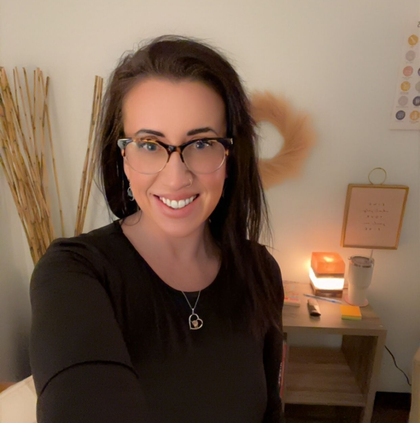
I'm Shelby, it's nice to meet you!
LMSW
My path to psychotherapy has taken a few different turns, and each one has shaped the way I approach my work.
With a Bachelor’s Degree in Psychology from UMKC and a Master’s Degree in Social Work, along with a graduate certification in Trauma Disorders and Intervention, my professional background has taken me through a variety of settings and experiences. I’m also a member of Psi Chi, the international honor society in psychology. Before returning to the mental health field, I spent nearly 15 years in the construction industry, which gave me a different perspective on the people, environments, and challenges that shape our lives. My OSHA 30 certification also allows me to provide consulting services on construction job sites.
Three years working in hospice became one of the most meaningful experiences of my career. That time taught me the importance of being present with people through difficult and uncertain moments, and of meeting people where they are with compassion and connection.
Being a neurodiverse mom and complex trauma survivor has also deeply influenced the work I do. These experiences have taught me that healing doesn’t follow a straight path, and it certainly doesn’t look the same for everyone.
At the heart of my work is the belief that safety and a strong therapeutic relationship are the foundation for meaningful healing. I strive to create a space where clients feel heard, understood, supported, and safe to be themselves as we navigate their experiences, build trust, and discover their own unique path toward healing and meaningful change.
Your path to healing.
I often use an eclectic approach, drawing from multiple therapeutic modalities to address each client’s unique needs and challenges. This allows us to tailor therapy to your individual goals and adjust our approach as you grow and your needs change.
Dialect Behavioral Therapy
DBT is a structured, skills-based form of talk therapy that focuses on understanding your current reality while also working toward meaningful change. This modality helps clients identify patterns of thought and the behaviors associated with those thoughts, creating space to respond more intentionally and make decisions that align with their goals.
Together, we explore patterns, emotions, and behaviors that may no longer be serving you while building practical skills for navigating difficult situations, relationships, and emotions in healthier ways. Clients learn mindfulness, emotional regulation, and distress tolerance skills while also working to improve interpersonal relationships.
DBT can be beneficial for addressing symptoms and challenges associated with ADHD, anxiety, OCD, eating disorders, postpartum depression, premenstrual dysphoric disorder (PMDD), substance misuse, and other mental health concerns.
Trauma-Focused Cognitive Behavioral Therapy
TF-CBT is a structured, evidence-based approach designed to help children and adolescents, along with their non-offending caregivers, work through the effects of trauma. The process begins with building a safe, trusting therapeutic relationship while exploring how thoughts, emotions, and experiences influence one another.
Clients learn to recognize thought patterns, distinguish feelings from facts, and separate their thoughts from their sense of self. By developing these skills, they can begin to understand and reshape the narratives they carry about themselves and their experiences. TF-CBT can help reduce trauma-related symptoms such as PTSD, anxiety, and depression while building skills for emotional regulation, coping, and safety.
Accelerated Resolution Therapy
Accelerated Resolution Therapy (ART) is a brief, structured approach designed to help clients process traumatic and distressing experiences, often within 1–6 sessions. Using guided eye movements and other techniques, ART works with the images, sensations, and emotions connected to difficult memories to help reconsolidate those memories and reduce the emotional distress associated with them.
Through this process, clients are guided in replacing distressing mental images with more positive or neutral imagery. ART can be beneficial for individuals experiencing symptoms related to PTSD, anxiety, OCD, and other mental health concerns.
Solutions-Focused Brief Therapy
Solution-Focused Brief Therapy is a short-term, goal-oriented approach that focuses less on analyzing past problems and more on identifying what you want to be different moving forward. Therapy builds on your existing strengths, coping skills, resources, and past successes to help you develop practical steps toward meaningful change.
Exposure Response Prevention
Exposure and Response Prevention (ERP) is a form of Cognitive Behavioral Therapy commonly used to treat OCD. It works by gradually and safely facing fears or situations that trigger anxiety while learning to resist compulsive behaviors or rituals. Over time, this can help break the cycle of fear and compulsion and build greater confidence in managing anxiety.
Principles of Somatic Experiencing
Somatic Experiencing is a body-oriented approach to working with trauma and chronic stress. It recognizes that difficult experiences can continue to affect the nervous system long after an event has passed. Therapy focuses on developing awareness of physical sensations and helping the nervous system safely move through survival responses such as fight, flight, or freeze.
Additional Intervention Methods
I use an eclectic approach, drawing from multiple therapeutic modalities to address each client’s unique needs, challenges, and goals. Rather than relying on a single approach, therapy can incorporate different techniques and interventions based on what feels most helpful and relevant to you. This also allows us to adjust our approach as your needs and goals change throughout the therapeutic process.
Some of the additional interventions and approaches I utilize include Exposure and Response Prevention (ERP), Solution-Focused Brief Therapy (SFBT), Emotion-Focused Therapy (EFT), Motivational Interviewing (MI), Somatic Experiencing (SE), and Acceptance and Commitment Therapy (ACT).
Frequently asked questions
How will I know which form of therapy works for me?
There’s no one-size-fits-all approach to therapy. The right fit often depends on your goals, experiences, and what feels comfortable and useful to you. During our initial conversations, we can talk through what you’re experiencing, explore different approaches, and decide together where to begin. Your needs may change over time, and your therapy approach can change with you.
What ages do you work with?
The age ranges that I typically work with are pre-teens and end of life/older adults.
How long can I expect to wait for my first appointment?
Immediate telehealth openings are available. Appointments are currently offered Monday through Thursday, with limited availability on Saturday mornings. New clients may be able to schedule their first appointment as soon as 48 hours after completing the intake paperwork.
What is your session rate?
My current out-of-pocket rate is $100 per session. I also offer a sliding scale on a case-by-case basis for those who may need a different rate.
If you have questions about rates, payment options, or whether we may be a good fit, please feel free to reach out directly. I’m happy to talk through your options and answer any questions you may have.
Do you accept insurance?
Currently accepted insurances include: Aetna & Cigna (co-pays may vary).
How long is a normal session?
Typical sessions are 55 minutes. If assistance is needed beyond the typical session time, additional sessions may be scheduled.